 Almanac
 Coming Back to Probiotics In Plain Language, Step by Step
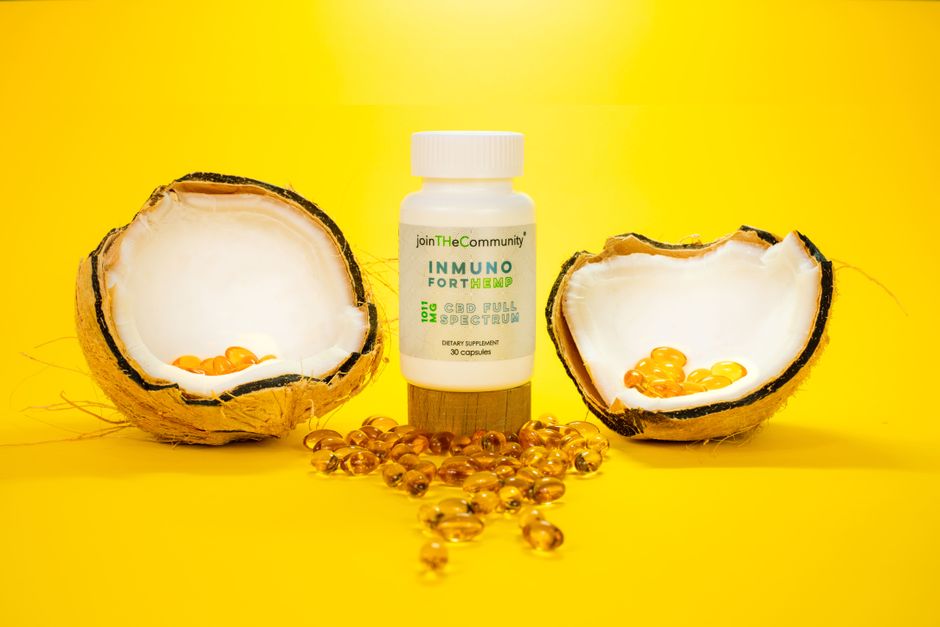
Getting probiotics in plain language right is less about willpower and more about setting up your day sensibly. The aim here is to keep things realistic and easy to sustain. Let's look at what actually matters with probiotics in plain language, and what you can safely ignore.
Why this matters
A probiotic is a live micro-organism taken in the hope of a benefit. That definition is deliberately broad, and it hides the most important detail: effects are strain-specific. A benefit demonstrated for one named strain, at one dose, in one situation, says almost nothing about a different strain in a different bottle.
The basics, made simple
This is why the number on the front of the pack — billions of organisms — is a poor guide. Quantity without identity means little, and a very large count of an unstudied strain is not superior to a modest count of a well-studied one. The useful information is the full strain name, generally printed modest.
How it fits into daily life
The key point is that the situations with the clearest support are narrow and practical: reducing the duration of certain kinds of digestive upset, and easing some symptoms after a course of antibiotics. Broader claims about immunity, mood, or general wellbeing rest on a much thinner base, however plausible the underlying biology sounds.
Small changes like these are easy to underestimate, yet they are exactly what add up over months and years. You can read more from MedlinePlus (National Institutes of Health).
What tends to work
The key point is that fermented foods are a reasonable everyday alternative, though they are not the same thing. Live yoghurt, kefir, sauerkraut, kimchi, and miso deliver mixed populations rather than a defined dose, and they arrive with food rather than instead of it. They are cheap, pleasant, and low risk.
It helps to focus on what you can realistically do most days, rather than an ideal you can only manage occasionally.
Small changes that add up
The key point is that the other half of the picture is what feeds these organisms once they arrive. Fibre from vegetables, pulses, fruit, and wholegrains supports the population already present, which is likely to matter more over years than any capsule taken for a fortnight.
Practical tips
A few simple things tend to help:
- Ask for a little support from someone around you when you can.
- Notice what works for you personally, since everyone responds a little differently.
- Give any change a few weeks before judging whether it is helping.
- Start small and stay consistent rather than aiming for a dramatic change.
The bottom line
None of this needs to be perfect. Keep it simple, be patient with yourself, and let small changes add up. That is usually all it takes.
Frequently asked questions
Is this suitable for busy people?
Yes. Most of the ideas here fold into things you already do each day, so they take little extra time.
Is this relevant if I'm just starting out?
Yes. You can begin with one small change and build from there. With probiotics in plain language, steady progress beats trying to do everything at once.
What is the single most important thing to focus on?
Consistency. A modest routine you actually keep beats an ambitious plan you abandon after a week.
Do I need special equipment or money?
No. Most of what helps is free or low-cost, and the simplest options are usually the ones people stick with.