 Almanac
 Working Iron, B12 And The Nutrients Worth Testing Into a Busy Week, on a Normal Week
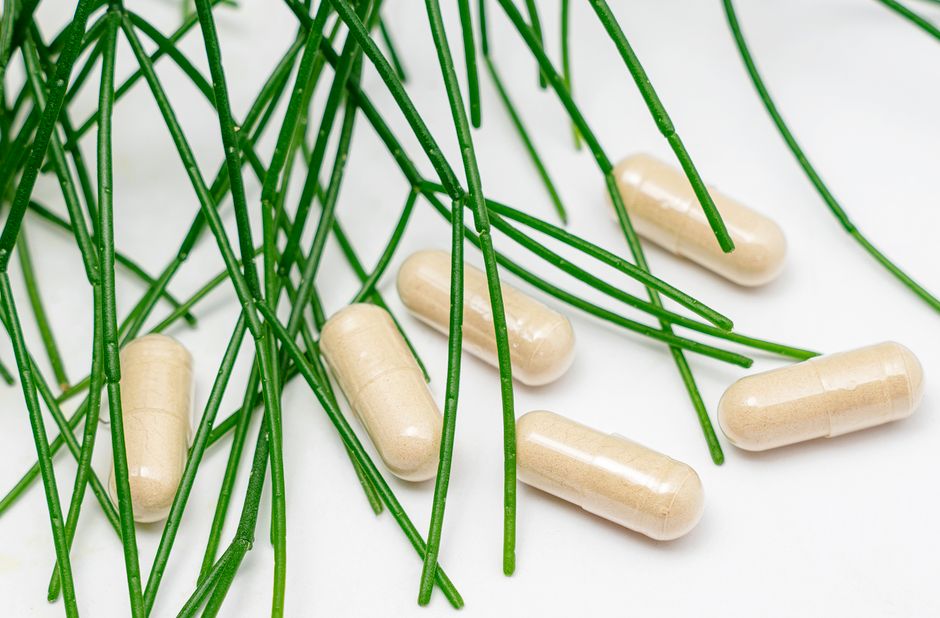
A packed schedule makes iron, b12 and the nutrients worth testing feel like one more thing to fit in, but it can be simpler than it sounds. None of this is complicated, and none of it needs to be expensive. Here is a grounded, practical look at iron, b12 and the nutrients worth testing that fits into a real, busy life.
The time-poor reality
Most nutrients do not need testing. A few do, because a shortfall is common, the symptoms are unspecific, and correcting it without knowing carries its own risk. Iron and vitamin B12 are the clearest examples of that group.
Small changes like these are easy to underestimate, yet they are exactly what add up over months and years.
Quick wins that fit any schedule
More often than not, low iron produces tiredness, breathlessness on stairs, pale skin, and poor concentration — a set of complaints so ordinary that they are usually attributed to a busy period. It is more common in most of us who menstruate heavily, in pregnancy, in endurance athletes, and in those eating little or no meat, since the iron in plants is absorbed less readily.
Habits that take seconds
The reason to test rather than assume is that iron is not harmless in excess. The body has no efficient route for removing a surplus, and some people carry a genetic tendency to absorb too much. Taking a supplement indefinitely on the strength of feeling tired is a poor trade.
Doing less, but consistently
It helps to remember that b12 sits differently. It is found almost exclusively in animal foods, so anyone eating a vegan diet needs a reliable source, and absorption also declines with age and with certain long-term medications. A deficiency that goes unnoticed for long enough can affect the nervous system in ways that do not fully reverse, which is why the threshold for checking should be low. MedlinePlus (National Institutes of Health) provides reliable, up-to-date information on this topic.
The practical takeaway is to keep iron, b12 and the nutrients worth testing simple enough that it survives a busy week, not just a good one.
Protecting the little time you have
Worth keeping in mind: two practical notes make the rest easier. Vitamin C at the same meal improves iron absorption from plants, while tea and coffee alongside a meal reduce it. And a test result is worth keeping, because a single value means less than a direction over time.
It helps to focus on what you can realistically do most days, rather than an ideal you can only manage occasionally.
Practical tips
In everyday terms, this can look like:
- Start small and stay consistent rather than aiming for a dramatic change.
- Anchor a new habit to something you already do each day, like your morning coffee.
- Aim for good enough on busy days instead of skipping entirely.
- Give any change a few weeks before judging whether it is helping.
The bottom line
Take it one small step at a time. The best approach is the one you can keep going with. Start where you are and build slowly from there.
Frequently asked questions
Do I need special equipment or money?
No. Most of what helps is free or low-cost, and the simplest options are usually the ones people stick with.
How long before I notice a difference?
It varies from person to person. Give any new habit a few weeks of consistency before deciding whether it is working for you.
What is the single most important thing to focus on?
Consistency. A modest routine you actually keep beats an ambitious plan you abandon after a week.
Is this suitable for busy people?
Yes. Most of the ideas here fold into things you already do each day, so they take little extra time.